Workshops
1. Introduction to Theatre
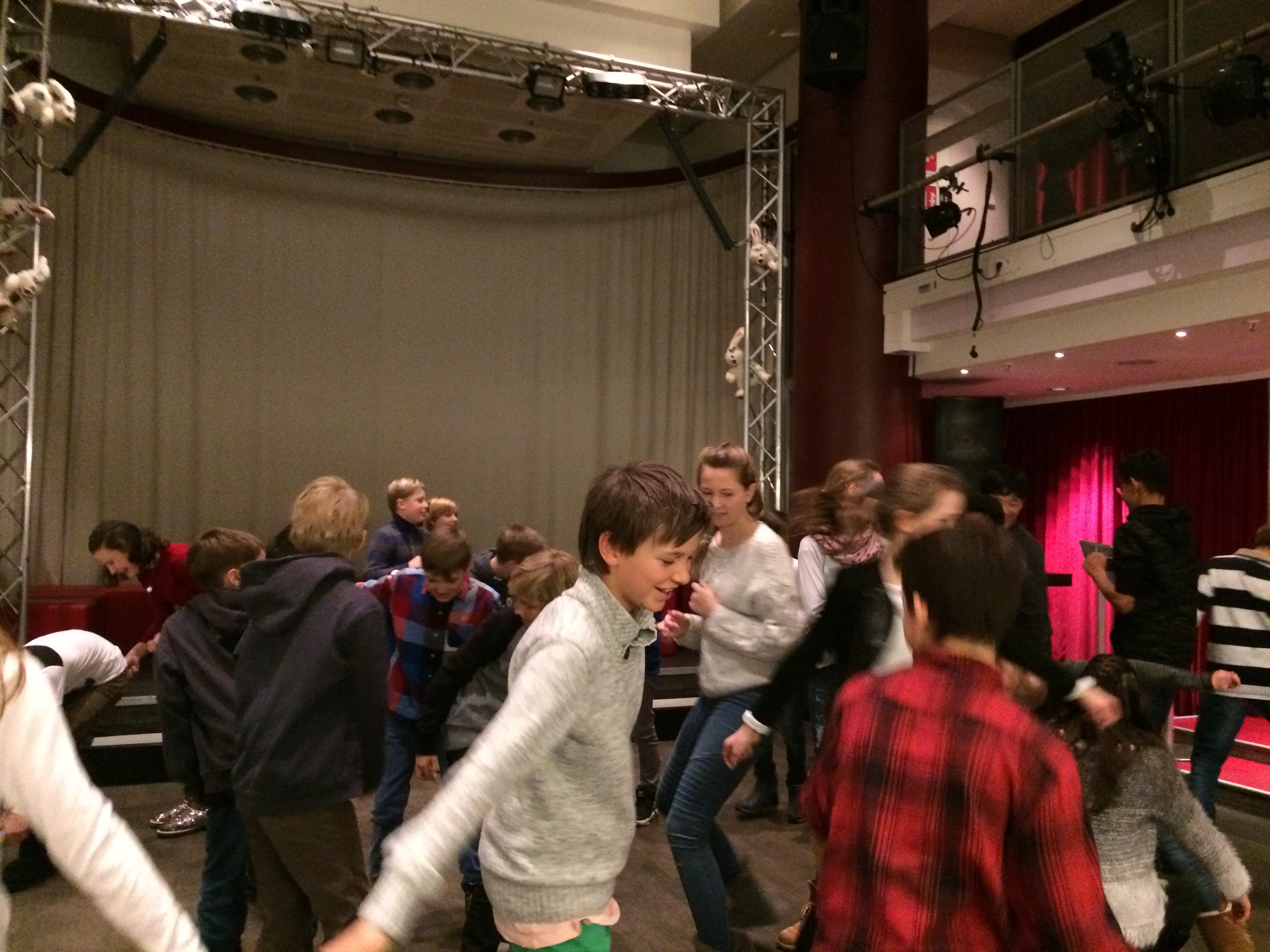
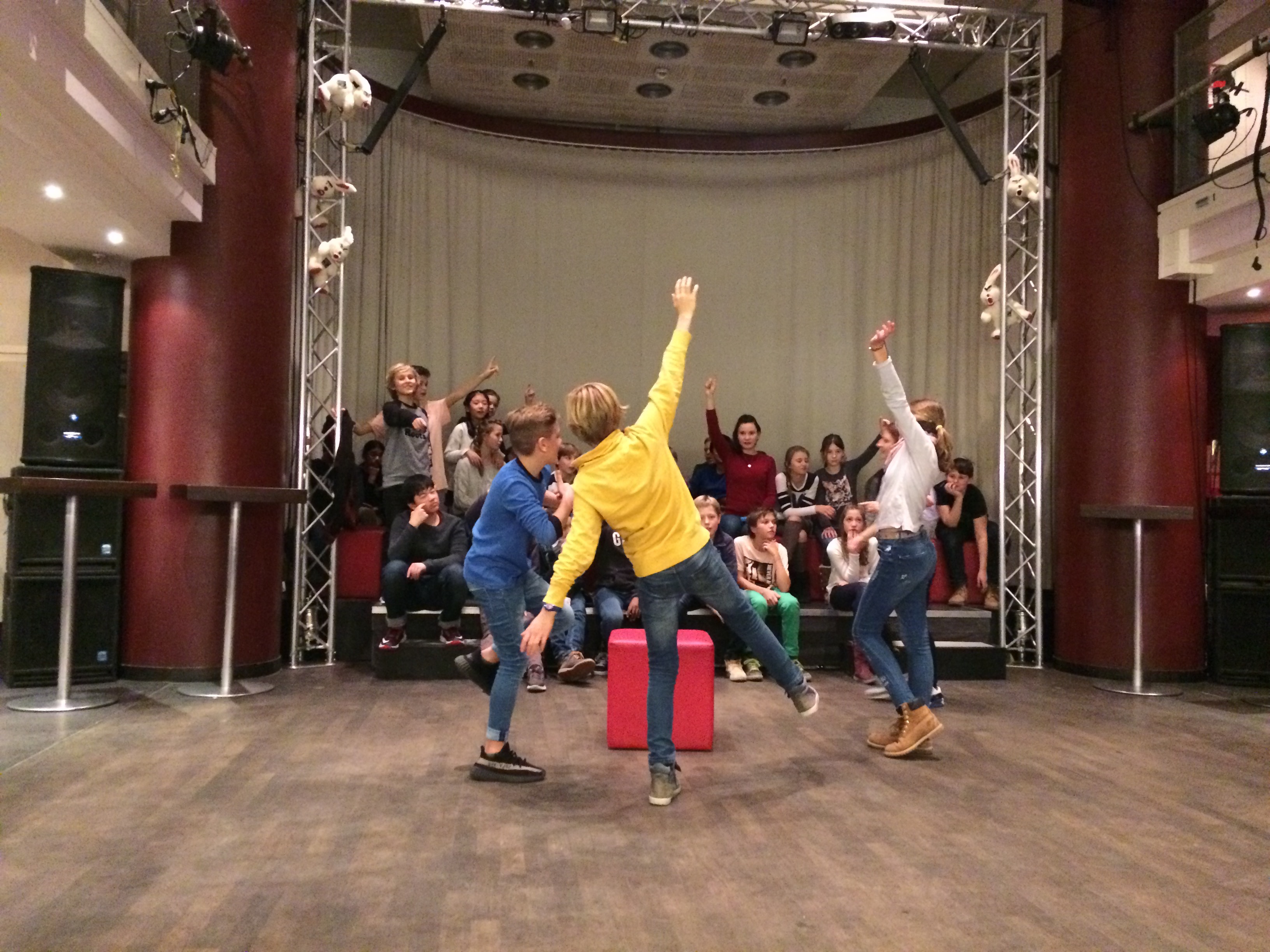
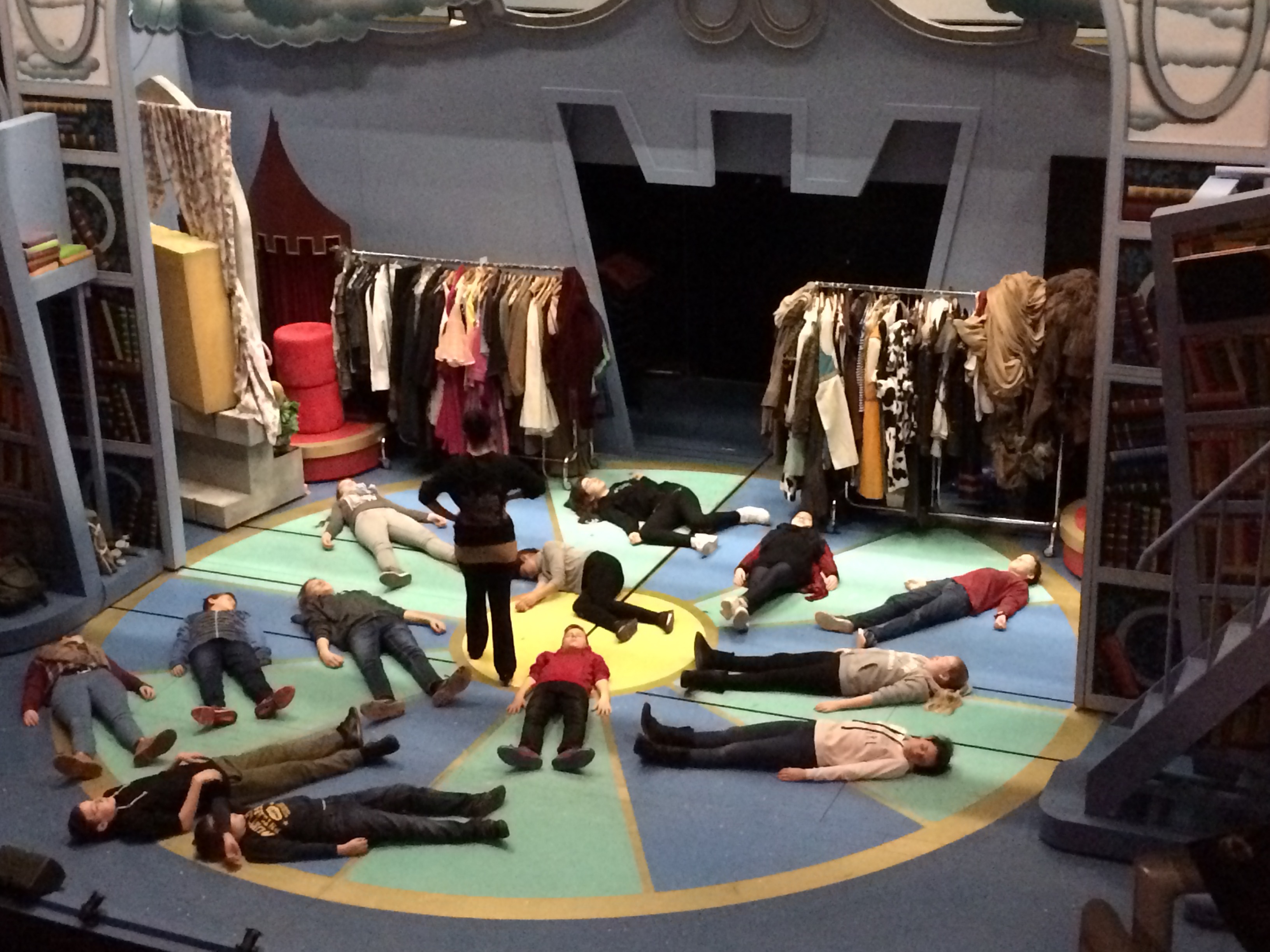
Through a series of ice-breakers and warm-up activities, students are encouraged to speak English whilst being introduced to the basic elements of theatre. This workshop is physical and uses costumes as well as props. Students work in groups and have the opportunity to create and present short scenes on stage. (grade 5 and up)
2. Musical theatre
This workshop is where first time actors, singers and dancers can explore the amazing world of musical theatre (grade 5 and up). This workshop introduces first time performers to the magic of musical theatre through:
Physical and Vocal warm-ups
Vocal Coaching
Character choreography
Basic stage-craft and techniques
3. Storytelling
Using a combination of theater games, improv exercises and familiar stories students will tell stories, create characters and put them in a performance setting. Students will become more comfortable using their everyday English outside of the classroom, by starting with stories they already know and feel confident in telling. Then through various games and exercises, they will learn how to dramatize their stories, putting a new spin on a familiar tale and expanding their imagination and, potentially, their vocabulary. They will also grow the skills needed to be comfortable presenting in front of a group.
(grade 5 and up)
4. Improv theatre
Students can receive advice on how to stage their own pieces or are given impulses to create their own during the session. This is an impulse- based workshop where students are given the chance to work with a piece of text, music or pictures. All materials are provided as well as props and costumes. Focus is placed on creating a character and building a simple story. Particular themes can be set by the teachers. (grade 7 and up)
5. Theatre with Impact
In our Applied Drama Workshops, we want to cover the harder topics of today and our past. At the centre of the applied drama activities are the elements of role and story. Using drama and music therapy activities, we take steps from our own personal experiences, to that of a friend, perhaps back to the past, but hopefully ending with each individual realising the impact that they can make in today’s society. Participants will follow roles to tell a story or perform a part, thus embracing a new perspective of the character and themselves. Teaching covering topics such as compassion, basic human emotion, and human advocacy, we can learn to connect to stories and how to tell them better. The workshop is altered towards the school’s specific requests.
Possible Topic Choices: Modern/Historic Slavery, Apartheid, the Holocaust, The Refugee Crisis, Bystander Apathy, Homelessness etc. (grade 7 and up)
6. The Shakespeare Sessions
In this workshop the students will be both performer and audience. They will focus on speaking the text, which gives them a more sensory understanding of the iambic pentameter. Through a series of imagination and group exercises they also gain a better understanding of the story’s plot, themes, and characters. As audience members they begin to understand how to listen to the classical text without being overwhelmed by it. Our Instructor, PJ Escobio, is the Artistic Director of Shakespeare Frankfurt and has directed and performed roles from all but 5 of Shakespeare’s plays. (grade 9 and up)
7. Workshop on Current
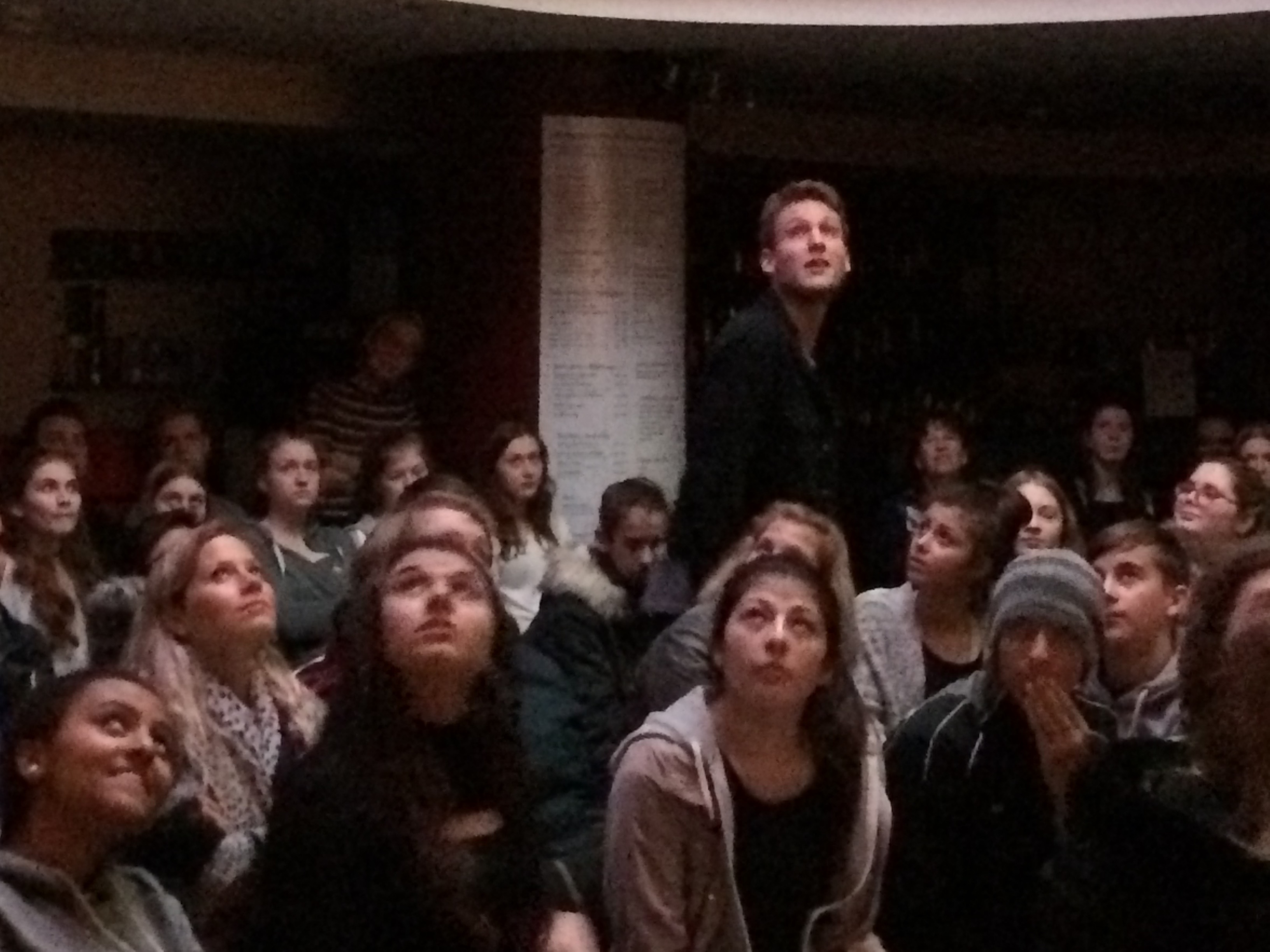
These workshops deal with plays that are currently running at our house. Your students will be prepared for the theatre visit in order to be able to follow the play. Workshops are available for our regular shows as well as for our Plays for Young Audiences.
There is also the possibility that you choose the drama text and we will provide an individualized workshop.
The ultimate goal of the workshop is to provide students with practical tools to better access, understand, and appreciate plays by approaching them from the inside, with the eye of a theatre practitioner and the question how we can relate to them today. (grade 9 and up)

How do I book a workshop?
This is easy, simply fill in the online application forms. All workshops must be booked using this form. Your application will be processed and you should receive an answer within 3 working days.
Which workshop should I choose?
Have a look at the workshop choices here, we also offer workshops based on the productions happening at our theatre, as well as specialist workshops für Leistungskurs and Abitur groups.
If you don´t know which workshop to choose, then say so on the form. We will advise you on the correct workshop to suit your needs.
What happens when I book a workshop?
Your application is sent to the Education Department, the dates are considered and booked into our event calender, and appropriate pedagogues will be assigned to teach your workshop. Thereafter a Pedagogue will contact you to confirm details.
When can I have a workshop?
Workshops can take place during the week, Monday to Friday at the following times
10.00-13.00
13.00-16.00
14.00-17.00
Please do not ask for all available days but instead suggest 3 dates that would suit you and your students, this way we are sure to find a suitable date and a back-up date if necessary.
How much does a workshop cost?
For a 3-hour workshop with one pedagogue the fee is €150,00. Except for Shakespeare workshops and the workshop on current, which cost 200€ per pedagogue. If you have more than 15 students, please ask for two pedagogues.
A 3-hour workshop with 2 pedagogues will then cost €300,00.
If you want the workshop to take place at your school, travel fees are 15 € within Frankfurt, 30€ for up to 60km, and 0,30 cents per kilometre for everything further away than 60km (round trip).
Can you come to my school?
Yes, we offer workshops to schools but an additional fee is charged to cover travel costs, and this depends on where the school is located. All we need is space. The school hall, canteen, large classrooms or even the playground can serve as workshop spaces.
Do I have to book in advance?
We only need about 3 weeks notice to organise a workshop. It is worth trying at short notice as well, we like to think of our teachers as lucky. The last two weeks of each term is when we are normally overbooked with workshops, so please book earlier, at least 6 weeks in advance for this period.
What do I need to prepare for a workshop?
Nothing!
What do I need to do in the workshop?
Have fun!
What do the participants need to bring with them?
Workshops can be thirsty work, so please bring something to drink and a snack. There will be a short snack break half-way through in the bar area, but drinks and snacks are not on sale.
In winter, we request that students bring sneakers or trainers with them because some styles of boots damage the stage and limit movement. It is also for the students´ safety so that they do not slip.
In summer sandals are fine, but not flip flops, as students risk slipping while on stage.
May I take photos of the workshop?
Absolutely! And your students may do so as well, with their fellow students permission.